Blake Bennett · 6 November 2026
Tracing Grant-Backed Gamification Metrics Across Multi-University Virtual Lab Networks in Eastern Europe
Grant funding from European programs has supported the expansion of virtual laboratory networks that incorporate gamification features such as points systems, achievement badges, and collaborative challenges, and these elements now operate across institutions in Poland, Hungary, Romania, and the Czech Republic. Researchers track participation rates, task completion times, and knowledge retention scores through centralized analytics platforms that aggregate data from multiple sites, while the networks themselves originated from initiatives launched between 2022 and 2024 under frameworks like Erasmus+ and national innovation funds.
Grant Structures and Network Formation
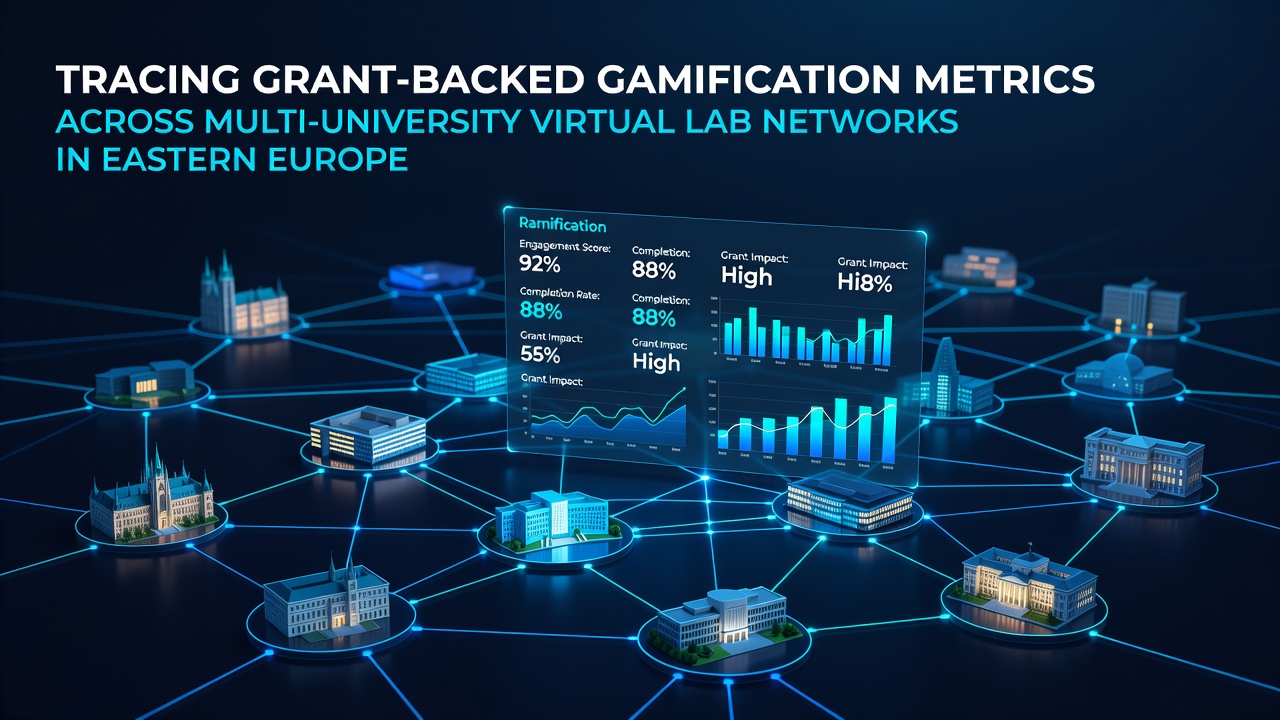
Multiple funding streams have converged on virtual lab development, with allocations directed toward software platforms that embed game mechanics into biology and chemistry simulations, and observers note that Polish and Romanian consortia received initial support in 2023 for cross-border data sharing protocols. Universities connect their local instances to a shared dashboard that logs user interactions in real time, which allows project coordinators to compare performance indicators such as average session duration and badge acquisition frequency without requiring individual institutions to maintain separate tracking systems.
Core Metrics Under Examination
Teams measure engagement through variables including login frequency, progression through simulation levels, and peer interaction counts within group quests, while data sets also capture pre- and post-assessment score improvements tied to specific gamified modules. Reports compiled in 2025 showed that networks using tiered reward structures recorded 18 percent higher module completion rates compared with non-gamified control groups at partner sites, and these patterns hold across different language interfaces implemented in Hungary and Bulgaria. Analysts compile quarterly summaries that highlight correlations between leaderboard visibility and repeat laboratory access, yet they maintain strict separation between individual identifiers and aggregate statistics to comply with regional data protection standards.
Integration Across Institutions
Technical teams standardize data formats so that metrics from one university feed directly into comparative reports used by all members, and this approach reduces duplication while enabling identification of regional trends such as higher evening activity peaks in certain time zones. In practice, the system flags anomalies like sudden drops in participation following exam periods, which then prompts adjustments to challenge difficulty or timing of new content releases. Partnerships with software developers ensure that updates to gamification elements roll out simultaneously across the network, maintaining consistency in how points and levels calculate.
Developments Through November 2026
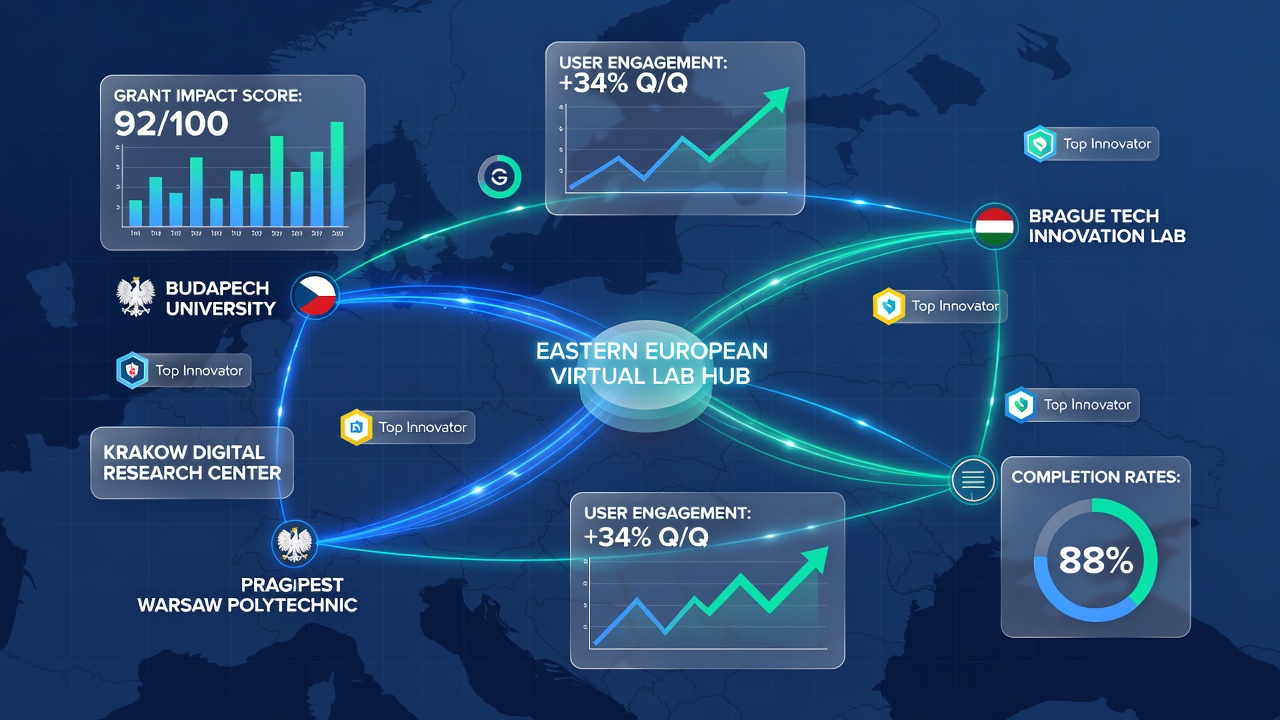
By November 2026 additional grant cycles had incorporated expanded tracking for mobile access patterns, and figures released at a regional conference in Prague indicated that mobile users completed 12 percent more optional challenges than desktop-only participants across the sampled networks. Coordinators from four countries presented joint findings on how seasonal academic calendars influence overall engagement curves, with data sets demonstrating that shorter, daily micro-quests sustain activity better during holiday breaks than longer weekly assignments. These presentations also referenced integration with external repositories maintained by the European Commission education portal, which supplies standardized benchmarks for digital skill acquisition in higher education settings.
Comparative Analysis Methods
Researchers apply statistical models that account for institutional size differences when ranking gamification effectiveness, and they cross-reference outcomes against baseline data collected before any game elements were introduced. One ongoing study examines whether cultural factors affect badge preference, with initial outputs suggesting that achievement badges tied to collaborative milestones perform more consistently in multi-country groups than individual competition rewards. Such comparisons rely on anonymized exports that preserve privacy while still revealing broad behavioral patterns across the Eastern European cluster.
Conclusion
Grant-backed efforts continue to refine the collection and interpretation of gamification metrics within these virtual lab networks, and the resulting data sets provide institutions with concrete indicators for adjusting simulation design and resource allocation. Continued coordination among the participating universities supports ongoing expansion of the shared tracking infrastructure while maintaining focus on measurable learning indicators.